The Essential Guide to Hydration: Unlocking Your Body's Full Potential
Water is the foundation of life, yet many of us underestimate its profound impact on our health, energy, and cognitive performance. Discover how proper hydration can transform your well-being and learn the science-backed strategies for optimal fluid intake.
In our fast-paced modern lives, we often overlook one of the most fundamental aspects of health: proper hydration. While we meticulously plan our meals, track our exercise, and optimize our sleep schedules, the simple act of drinking enough water frequently falls by the wayside. Yet hydration plays a crucial role in virtually every bodily function, from regulating body temperature to supporting cognitive performance and maintaining physical vitality.
Understanding the science of hydration and implementing personalized strategies can be transformative for your overall health and well-being. This comprehensive guide explores the multifaceted role of water in human health, debunks common myths, and provides practical guidance for achieving optimal hydration based on your individual needs.
The Science of Hydration: Why Water Matters
Water comprises approximately 60% of adult body weight, with variations based on age, sex, and body composition. This essential fluid serves as the medium for countless biochemical reactions, acts as a solvent for nutrients and waste products, and maintains the delicate balance of electrolytes necessary for cellular function.
Every system in your body depends on water to function properly. Your cardiovascular system relies on adequate hydration to maintain blood volume and ensure efficient circulation. Your kidneys need sufficient fluid to filter waste products and toxins from your bloodstream. Your digestive system requires water to break down food and absorb nutrients effectively. Even your joints depend on proper hydration, as synovial fluid—which cushions and lubricates joints—is primarily composed of water.
Cellular Hydration and Metabolic Function
At the cellular level, hydration status directly impacts metabolic efficiency. Water facilitates the transport of nutrients into cells and the removal of metabolic waste products. When cells are properly hydrated, they function optimally, producing energy more efficiently and maintaining structural integrity. Dehydration, even at mild levels, can impair cellular metabolism, leading to decreased energy production and reduced physical performance.
Research has shown that cellular dehydration triggers a cascade of physiological responses, including the release of stress hormones and alterations in gene expression. These changes can affect everything from immune function to tissue repair, highlighting the far-reaching consequences of inadequate hydration.
Hydration and Cognitive Performance
One of the most immediate and noticeable effects of hydration status is its impact on cognitive function. Your brain is approximately 75% water, and even mild dehydration can significantly impair mental performance. Studies have consistently demonstrated that dehydration of just 1-2% of body weight can lead to decreased concentration, impaired short-term memory, reduced alertness, and increased perception of task difficulty.
The mechanisms behind these cognitive effects are multifaceted. Dehydration reduces blood flow to the brain, limiting oxygen and nutrient delivery to neural tissue. It also affects neurotransmitter production and the balance of electrolytes crucial for nerve signal transmission. Additionally, dehydration triggers the release of cortisol, a stress hormone that can interfere with cognitive processes and mood regulation.
Mental Clarity and Focus
Maintaining optimal hydration throughout the day supports sustained mental clarity and focus. Research indicates that individuals who maintain consistent hydration levels demonstrate better performance on tasks requiring attention, psychomotor skills, and immediate memory. This is particularly relevant for students, professionals, and anyone engaged in cognitively demanding activities.
Interestingly, the timing of water consumption matters. Drinking water before engaging in mentally challenging tasks has been shown to improve reaction times and cognitive performance. This suggests that proactive hydration—drinking water before you feel thirsty—may be more beneficial than reactive hydration for maintaining peak mental performance.
Even mild dehydration equivalent to 1-2% of body weight can impair cognitive function, reduce physical performance, and negatively affect mood and energy levels.
Physical Performance and Athletic Hydration
For physically active individuals, proper hydration is absolutely critical for optimal performance and recovery. During exercise, your body loses water through sweat and increased respiration. These fluid losses, if not adequately replaced, can lead to decreased endurance, reduced strength, impaired coordination, and increased risk of heat-related illness.
Dehydration affects physical performance through multiple mechanisms. It reduces blood volume, forcing your heart to work harder to circulate blood to working muscles and skin for cooling. This increased cardiovascular strain leads to earlier onset of fatigue and reduced exercise capacity. Additionally, dehydration impairs thermoregulation, making it more difficult for your body to dissipate heat, which can be dangerous during intense or prolonged exercise.
Hydration Strategies for Exercise
Effective hydration for physical activity involves three key phases: pre-exercise hydration, fluid replacement during exercise, and post-exercise rehydration. Before exercise, aim to be well-hydrated by drinking water consistently throughout the day. During exercise lasting longer than 60 minutes or occurring in hot conditions, regular fluid intake becomes essential to replace sweat losses.
The amount of fluid needed during exercise varies significantly based on individual sweat rates, exercise intensity, duration, and environmental conditions. A general guideline is to drink when thirsty and monitor urine color as an indicator of hydration status. For prolonged or intense exercise, beverages containing electrolytes can help maintain sodium balance and enhance fluid retention.
Post-exercise rehydration is equally important for recovery. Aim to replace 150% of fluid losses within a few hours after exercise to account for ongoing urinary losses. This enhanced rehydration supports muscle recovery, helps clear metabolic waste products, and prepares your body for subsequent training sessions.
Individual Hydration Needs: Beyond the Eight-Glass Rule
The commonly cited recommendation to drink eight 8-ounce glasses of water daily is a simplified guideline that doesn't account for individual variability. In reality, hydration needs vary significantly based on numerous factors including body size, activity level, climate, diet, and overall health status.
A more personalized approach considers your baseline fluid needs plus additional requirements based on your circumstances. The National Academies of Sciences, Engineering, and Medicine suggests adequate daily fluid intake of about 15.5 cups (3.7 liters) for men and 11.5 cups (2.7 liters) for women from all beverages and foods. However, this is a general recommendation that may need adjustment based on individual factors.
Factors Affecting Hydration Requirements
Physical activity significantly increases fluid needs. For every hour of moderate to intense exercise, you may need an additional 1.5 to 2.5 cups of water, depending on sweat rate and environmental conditions. Climate plays a crucial role as well—hot, humid weather increases sweat production and fluid losses, while high altitude can increase respiratory water losses and urinary output.
Dietary factors also influence hydration needs. High-protein diets increase water requirements for nitrogen metabolism and excretion. Caffeine and alcohol have mild diuretic effects, though regular caffeine consumers develop tolerance to this effect. Conversely, foods with high water content—such as fruits, vegetables, and soups—contribute significantly to daily fluid intake.
Certain health conditions and medications can affect hydration status. Fever, vomiting, and diarrhea increase fluid losses and require increased intake. Some medications, including diuretics and certain blood pressure medications, affect fluid balance. Pregnant and breastfeeding women have increased fluid requirements to support fetal development and milk production.
Recognizing and Preventing Dehydration
Understanding the signs of dehydration empowers you to take corrective action before more serious symptoms develop. Thirst is often considered a late indicator of dehydration, meaning your body is already experiencing fluid deficit by the time you feel thirsty. Learning to recognize earlier signs can help you maintain optimal hydration more consistently.
Early Warning Signs
Mild dehydration often manifests as subtle symptoms that are easy to overlook or attribute to other causes. These include decreased urine output with darker colored urine, dry mouth and lips, mild headache, slight dizziness or lightheadedness, and reduced skin elasticity. You might also notice decreased energy levels, difficulty concentrating, or increased irritability—all of which can result from inadequate hydration.
Urine color serves as a practical and accessible indicator of hydration status. Pale yellow urine generally indicates adequate hydration, while dark yellow or amber-colored urine suggests dehydration. However, certain foods, supplements, and medications can affect urine color, so this should be considered alongside other indicators.
Moderate to Severe Dehydration
More advanced dehydration presents with increasingly serious symptoms including extreme thirst, very dark urine or absence of urination, rapid heartbeat, rapid breathing, sunken eyes, and confusion or irritability. Severe dehydration is a medical emergency requiring immediate professional attention. If you or someone you're with experiences these symptoms, seek medical care promptly.
Prevention is always preferable to treatment. Establishing consistent hydration habits throughout the day helps maintain optimal fluid balance. Keep water readily accessible, set reminders if needed, and develop routines that incorporate regular water consumption. Pay extra attention to hydration during hot weather, illness, or increased physical activity.
Debunking Common Hydration Myths
Misconceptions about hydration abound, often leading to confusion about optimal fluid intake strategies. Let's examine and clarify some of the most persistent myths surrounding hydration.
Myth: You Must Drink Eight Glasses of Water Daily
While the eight-glasses guideline provides a simple target, it's not based on rigorous scientific evidence and doesn't account for individual variability. Your actual fluid needs depend on numerous factors including body size, activity level, climate, and diet. Many people meet their hydration needs through a combination of water, other beverages, and water-rich foods. Focus on maintaining adequate hydration based on your individual circumstances rather than adhering rigidly to a specific number.
Myth: Caffeinated Beverages Cause Dehydration
While caffeine has mild diuretic properties, research shows that caffeinated beverages like coffee and tea still contribute to overall hydration. Regular caffeine consumers develop tolerance to its diuretic effects, and the fluid content of these beverages more than compensates for any increased urinary output. However, water remains the optimal choice for hydration, particularly during exercise or in hot conditions.
Myth: Clear Urine Indicates Optimal Hydration
Completely clear urine may actually indicate overhydration rather than optimal hydration. Pale yellow urine is the ideal indicator of adequate hydration. Drinking excessive amounts of water can dilute electrolyte concentrations, potentially leading to hyponatremia—a dangerous condition characterized by low blood sodium levels. While rare in healthy individuals, this underscores the importance of balanced hydration rather than excessive water consumption.
Myth: Thirst Is an Adequate Hydration Guide
While thirst is a natural mechanism for regulating fluid intake, it's not always a reliable indicator, especially in older adults whose thirst sensation may be diminished. Additionally, by the time you feel thirsty, you may already be mildly dehydrated. Proactive hydration—drinking water regularly throughout the day rather than waiting for thirst—helps maintain more consistent hydration status.
Practical Strategies for Optimal Hydration
Implementing effective hydration strategies doesn't require complex protocols or expensive equipment. Simple, consistent habits can significantly improve your hydration status and overall well-being.
Start Your Day with Water
Begin each morning by drinking a glass of water. After hours of sleep without fluid intake, your body naturally experiences mild dehydration. Morning hydration helps restore fluid balance, supports metabolic function, and can enhance alertness as you start your day. Consider keeping a glass of water on your nightstand to make this habit more convenient.
Establish Regular Drinking Patterns
Rather than consuming large amounts of water sporadically, aim for consistent intake throughout the day. This approach maintains more stable hydration levels and is easier on your kidneys. Set reminders on your phone, use a marked water bottle to track intake, or link water consumption to regular activities like meals or work breaks.
Enhance Water Appeal
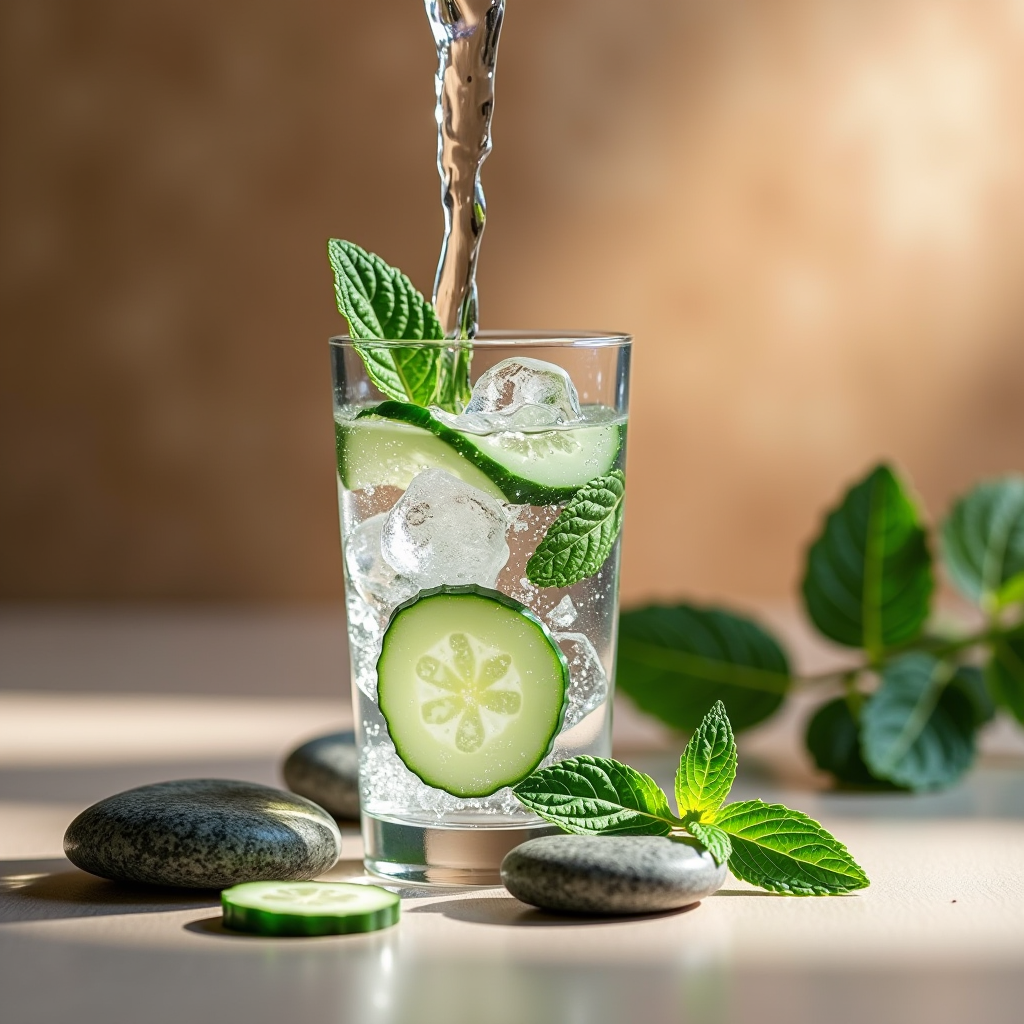
If plain water doesn't appeal to you, try natural flavor enhancements. Add slices of lemon, lime, cucumber, or fresh herbs like mint or basil. Herbal teas served hot or cold provide variety while contributing to hydration. Sparkling water offers a different sensory experience that some people find more satisfying than still water.
Eat Water-Rich Foods
Incorporate foods with high water content into your diet. Fruits like watermelon, strawberries, and oranges are over 90% water. Vegetables including cucumbers, lettuce, celery, and zucchini also provide significant hydration. Soups, broths, and smoothies contribute to fluid intake while providing nutrients. These foods can account for approximately 20% of daily fluid intake.
Monitor Your Hydration Status
Develop awareness of your body's hydration signals. Check urine color regularly—pale yellow indicates good hydration. Pay attention to how you feel throughout the day. Increased fatigue, difficulty concentrating, or mild headaches may signal inadequate hydration. Adjust your intake based on these observations and your daily activities.
Adjust for Activity and Environment
Increase fluid intake before, during, and after physical activity. In hot weather or high-altitude environments, consciously drink more water to compensate for increased losses. During illness, particularly with fever or gastrointestinal symptoms, prioritize hydration to support recovery and prevent complications.
Special Considerations and When to Seek Guidance
While most healthy individuals can safely follow general hydration guidelines, certain circumstances warrant special attention or professional guidance. Understanding these situations helps ensure safe and effective hydration practices.
Medical Conditions Affecting Fluid Balance
Several health conditions require modified hydration approaches. Heart failure, kidney disease, and liver disease can affect fluid balance and may necessitate fluid restrictions or careful monitoring. Diabetes insipidus causes excessive urination and requires increased fluid intake. Individuals with these or other chronic conditions should work with healthcare providers to determine appropriate hydration strategies.
Medications and Hydration
Certain medications affect fluid balance and hydration needs. Diuretics increase urinary output and may require increased fluid intake or electrolyte monitoring. Some blood pressure medications, antidepressants, and antihistamines can affect thirst sensation or fluid retention. If you take medications regularly, discuss potential hydration implications with your healthcare provider or pharmacist.
Age-Related Considerations
Older adults face unique hydration challenges. Age-related changes in kidney function, decreased thirst sensation, and certain medications can increase dehydration risk. Cognitive impairment may affect the ability to recognize thirst or access fluids independently. Caregivers should monitor hydration status in elderly individuals and ensure regular fluid intake.
Infants and young children also require special attention to hydration. They have higher water requirements relative to body weight and may not effectively communicate thirst. Parents should offer fluids regularly and watch for signs of dehydration, particularly during illness or hot weather.
The information provided in this article is for educational purposes only and is not intended as medical advice. Specific hydration requirements vary significantly by individual based on factors including age, health status, activity level, climate, and medications. Certain medical conditions such as heart failure, kidney disease, and diabetes require specialized hydration guidance. If you have any chronic health conditions, take medications that affect fluid balance, or have concerns about your hydration needs, please consult with a qualified healthcare provider for personalized recommendations. This article should not be used as a substitute for professional medical advice, diagnosis, or treatment.
Conclusion: Making Hydration a Sustainable Practice
Optimal hydration is a cornerstone of health that influences virtually every aspect of physical and mental well-being. From supporting cognitive function and energy levels to enhancing physical performance and promoting overall vitality, adequate fluid intake provides benefits that extend far beyond simply quenching thirst.
The key to successful hydration lies not in rigid adherence to arbitrary rules, but in developing personalized strategies that fit your lifestyle, needs, and preferences. By understanding the science of hydration, recognizing your body's signals, and implementing practical habits, you can maintain optimal fluid balance consistently.
Remember that hydration is a dynamic process requiring ongoing attention and adjustment. Your needs will vary based on daily activities, environmental conditions, and life circumstances. Approach hydration with mindfulness and flexibility, making adjustments as needed to support your health goals.
Start with small, manageable changes—perhaps beginning each day with a glass of water, keeping a water bottle accessible throughout the day, or incorporating more water-rich foods into your diet. These simple practices, maintained consistently, can lead to significant improvements in how you feel and function.
Ultimately, proper hydration is an act of self-care that supports your body's remarkable capacity for health and vitality. By prioritizing this fundamental aspect of wellness, you invest in your long-term health and create a foundation for optimal physical and mental performance. Your body will thank you for the attention and care you provide through mindful, consistent hydration practices.